The creator economy is undergoing a fundamental shift.
While sponsored posts remain a valuable source of income, they are no longer enough to provide long-term stability. Creators who want sustainable careers are moving beyond brand deals and focusing on ownership, diversification and direct relationships with their audiences.
Sponsored content is inherently limited. Income depends on platform performance, brand budgets and external demand. Algorithms change, reach fluctuates and opportunities can disappear without warning. Relying solely on sponsored posts leaves creators exposed to factors outside their control.
Ownership changes this dynamic. When creators develop products, services or platforms they control, they create assets rather than temporary income. These assets generate recurring revenue and strengthen the connection between creator and audience. Ownership also shifts the balance of power, allowing creators to choose partnerships rather than depend on them.
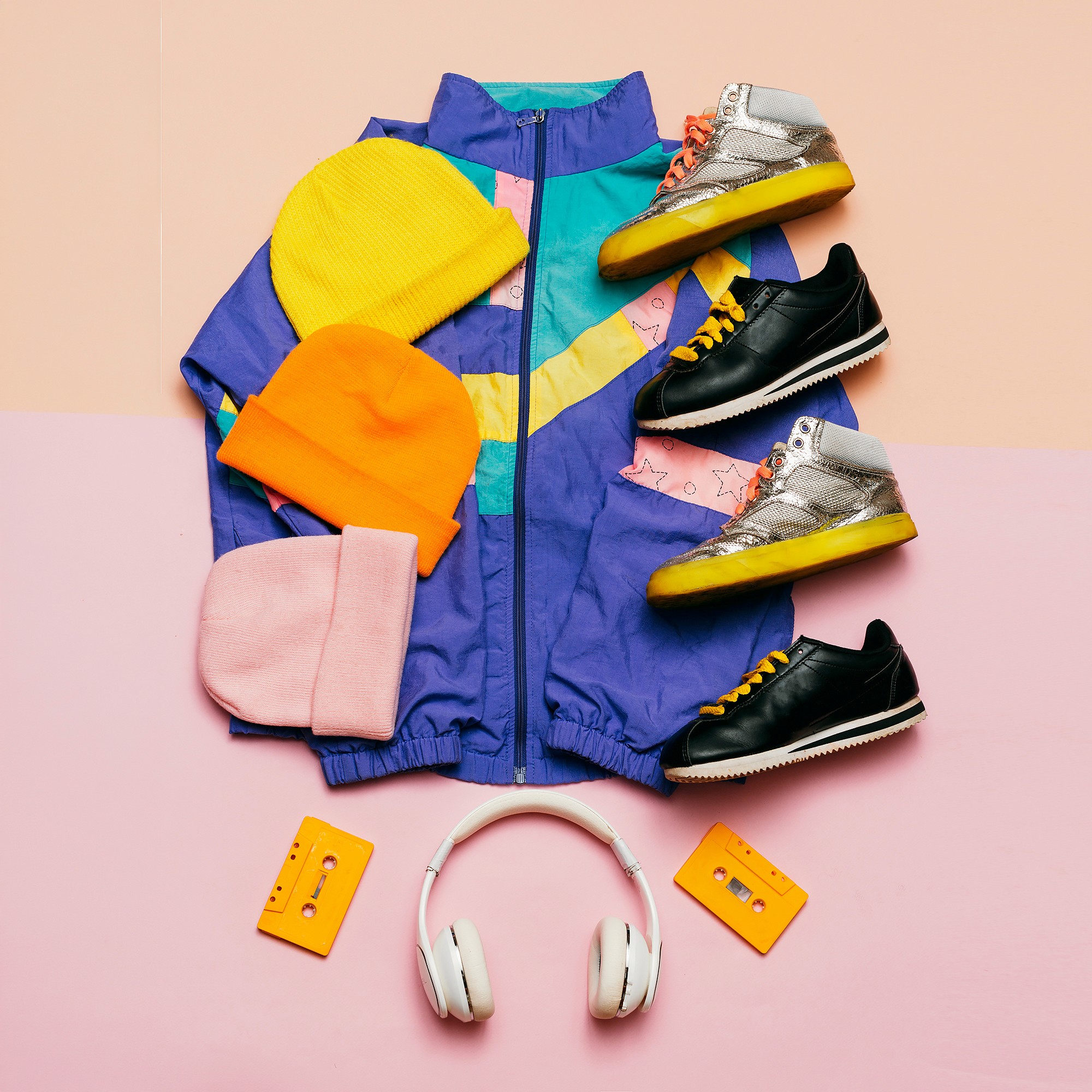
One of the most common paths into ownership is merchandise. Merchandise has evolved far beyond logo-based apparel. Today’s audiences expect thoughtful design, quality materials and products that reflect the creator’s identity. Successful merchandise feels like an extension of the creator’s lifestyle, not a promotional item.
Digital products offer another route. Courses, templates, memberships and exclusive content allow creators to monetise expertise and community. These products often require lower overheads and can scale globally. When priced and positioned correctly, digital products provide consistent income and deepen audience loyalty.
Subscription models are also growing. Platforms that support paid communities give creators predictable monthly revenue while offering audiences deeper access. This model works particularly well for creators who educate, mentor or build strong communities around shared interests.
Co-branded products with established companies provide an additional opportunity. Rather than promoting a product, creators collaborate on design, messaging and launch. These partnerships allow creators to earn a share of revenue and strengthen their personal brand through association with quality products.
Successful monetisation requires strategic planning. Creators must understand their audience, pricing expectations and purchasing behaviour. Launching products without research often leads to disappointing results and damaged trust. Professional support in product development, sourcing and marketing significantly increases the chances of success.
Quality and ethics are critical. Audiences are quick to disengage if products feel rushed or poorly made. Responsible sourcing, transparent pricing and reliable fulfilment protect reputation and encourage repeat purchases.
Ownership also impacts how creators work with brands. Creators with their own products become collaborators rather than promoters. This position leads to higher-value partnerships and more balanced relationships.
The future of the creator economy belongs to those who invest in ownership. Sponsored posts may open the door, but sustainable wealth and independence come from building something that lasts.


News
Social Commerce Continues to Transform Online Shopping